


by Sharon Smith
On February 9, 1960, eight store owners in uptown chose to close their lunch counters rather than serve Black college students.
“When the students showed no inclination to leave,” wrote Charlotte Observer reporter Roy Covington, “the counters were closed. One store, F.W. Woolworth and Co., shut down all operations for the day when the students remained seated at the darkened counter.”
Some 200 JCSU students sought service that Tuesday. They were denied at each establishment.
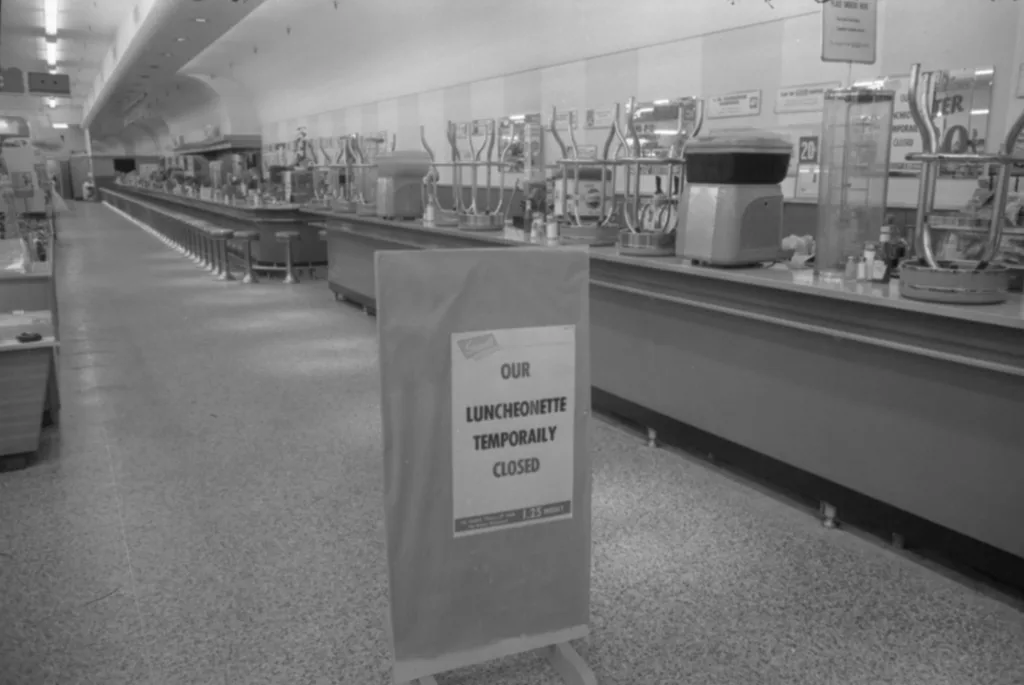
The Charlotte protests were similar to those staged days earlier by college students in Winston-Salem, Greensboro and Durham. Later that night, hundreds of JCSU students endorsed the day’s events and promised to keep showing up.
They did. Peacefully, orderly and finally, with results. That week, the Observer reported, Charlotte’s police chief met with student leader Charles Jones and others to discuss the law and expectations. By spring, a mayor’s committee was formed to discuss desegregation.

During several months of protests, the students endured taunts and eggs thrown at them, and some were arrested. Businesses received bomb threats. There were picket lines and boycotts.
But eventually, civic and business leaders met the moment with steps toward progress. On July 9, several Black students were served at a formerly whites-only lunch counter.
After his passing in 2019, historian Tom Hanchett wrote about Charles Jones, who became a lifelong civil-rights activist and lawyer in Charlotte: “He wanted you to know the civil-rights history that his generation had made — so that you would pick up the torch, in turn, and make history yourself.” SP