

A weekend in New Orleans delights with art, cuisine that reimagines classic fare, and a refined cocktail scene.
by Cathy Martin
On a Friday afternoon, women in pretty dresses begin arriving at Le Salon at The Windsor Court in New Orleans. It’s teatime, and piano music plays amid the soft clinking of china. The bridal party, mostly women in their 20s and 30s, greet each other warmly and take turns snapping photos, their joy lighting up the room.
“A lot of people that grow up here dream of being a Windsor Court bride,” says Isabella Marciante, a New Orleans native and marketing and communications manager at the 314-room hotel. With its elegant ambience, long-tenured staff and British flair, it’s easy to see why.
The Windsor Court is conveniently nestled between the city’s iconic French Quarter and the Warehouse Arts District, filled with galleries and some of the city’s trendiest restaurants. It’s my home base for a weekend in NOLA, my first visit to the city in more than two decades.
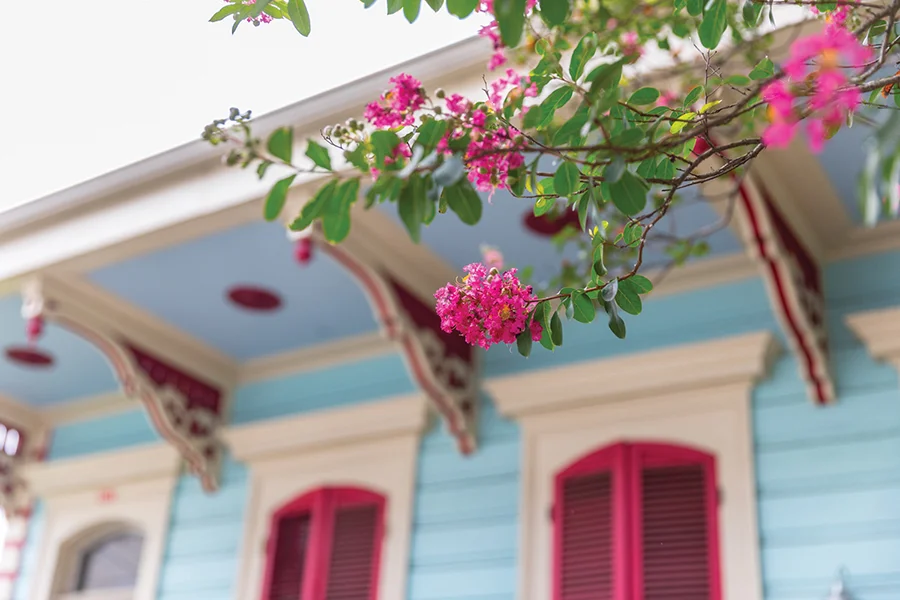
The Garden District. Photograph by Zack Smith, courtesy New Orleans and Co.
The 24-story hotel feels intimate and tucked away, despite its central location just two blocks from the waterfront. The Windsor Court has maintained a loyal following since opening in 1984. Exuding a sense of Old World grandeur, the hotel is charming and warm, classic but not stuffy. Its spacious rooms and suites boast a luxe, traditional decor with views of the city and Mississippi River. There’s a picturesque rooftop saltwater pool, a cozy spa and an impressive art collection valued at more than $10 million, including works by Baroque artist Anthony Van Dyck, Mexico-born artist Enrique Alferez and English painter William Powell Frith.
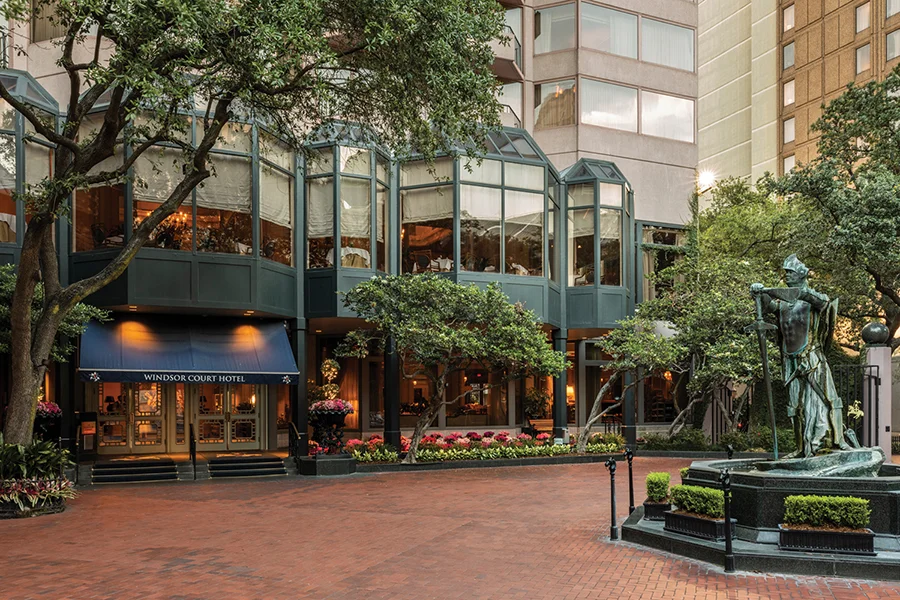
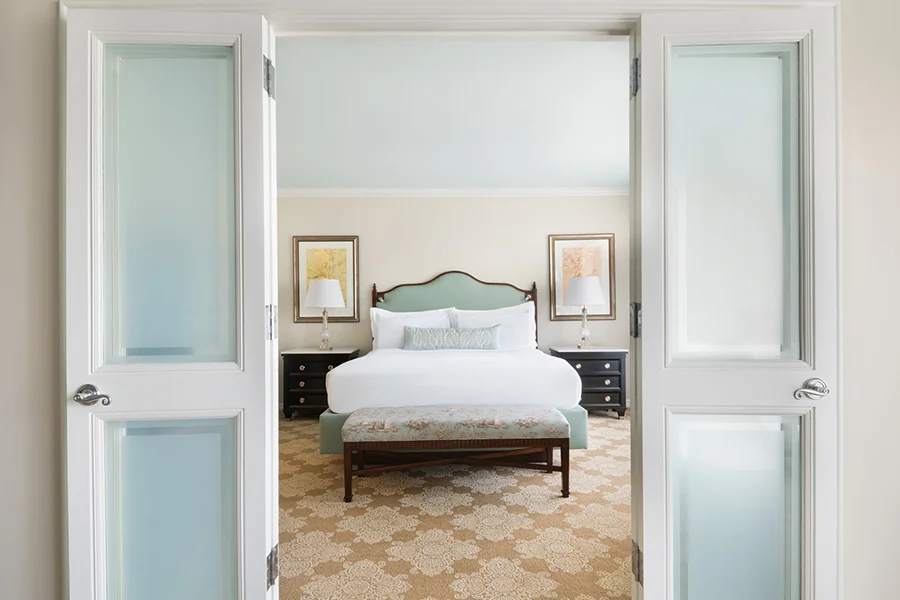
The Windsor Court hotel in downtown New Orleans. Photographs courtesy Windsor Court NOLA.
My hazy memory of NOLA consists of spending a few hours in a nondescript bar on Bourbon Street when I was in my early 20s. I quickly learned there’s much more to discover.
EXPLORING THE CRESCENT CITY
To brush up on the history of this iconic southern city, I make the Historic New Orleans Collection one of my first stops. Started as a small reading room in the 1960s, the museum’s permanent galleries guide visitors through key points in time, from the establishment of the French Quarter in 1721 to the Haiti Revolution, which brought thousands of refugees to New Orleans and had a profound influence on the city’s culture. Admission is free, and the museum houses a nice gift shop filled with books, sweets, jewelry and other goods from local artisans.
For a more immersive experience, Vue Orleans atop the Four Seasons Hotel New Orleans shares local history, including the origins of local foods and the evolution of New Orleans jazz, through dazzling videos and interactive displays. The real draw here, though, is the 34th floor, where a glass-enclosed indoor observation area and outdoor rooftop deck provide 360-degree views of the city and surrounding areas.
Art lovers might want to skip the French Quarter’s touristy galleries and head to the Warehouse Arts District, where you can peruse works by Louisiana artists at a variety of price points at Gallery 600 Julia or see what’s on view at Octavia Gallery, which specializes in abstract art.
The Ogden Museum of Southern Art highlights artists from across the lower South and Texas, including a permanent exhibition of oil and collage works by African American artist Benny Andrews. The nearby National WWII Museum was highly recommended by several people I met in New Orleans, but I decided I needed to come back when I had more time to explore its 6-acre campus.
Drive or take the streetcar down St. Charles Avenue — lined with gorgeous Italianate, Queen Anne and Greek Revival-style homes and mansions — toward the Garden District. The shopping and dining hub anchored by Magazine Street boasts more art galleries, along with local shops and upscale chains like Billy Reid and Marine Layer housed in quaint historic cottages.
COCKTAIL CULTURE
New Orleans is well-known as the birthplace of the Sazerac — there’s even a museum, The Sazerac House, dedicated to the history of this boozy cocktail.
Another classic drink — the Vieux Carre (a potent blend of rye whiskey, cognac, sweet vermouth, benedictine and bitters) — also originated here, at the historic Hotel Monteleone in 1937. The whimsical Carousel Bar debuted at the family-owned hotel in 1949, in a space formerly known as the Swan Room.
“Music has always been at the heart of the hotel,” says Mike Dupree, who leads a history talk before the bar opens. Both musicians and literary greats like Tennessee Williams, Ernest Hemingway, Liberace and Billy Joel — who gave an impromptu performance here about a decade ago — are part of hotel legend. These days, jazz singer Lena Prima, daughter of the famed trumpeter Louis Prima, is a regular musical guest.
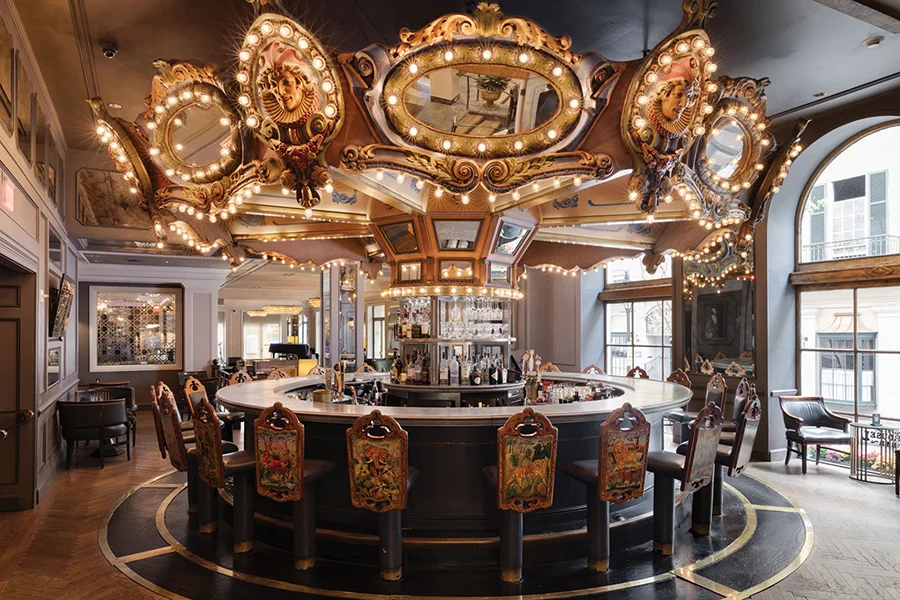
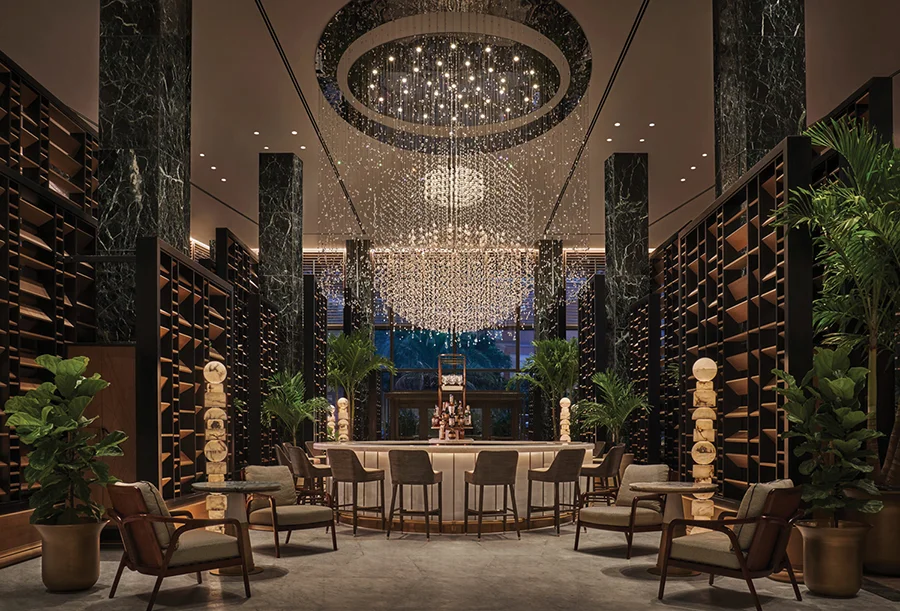
Carousel Bar at Hotel Monteleone, photograph by Laura Steffan. Chandelier Bar at Four Seasons New Orleans, photograph courtesy Four Seasons NOLA.
There’s a line outside the door when this fabled venue opens daily at 11 a.m. The 25-seat rotating bar has evolved since its early years, when it was topped with a red-and-white circus tent. Today, the bar — which runs on rubber wheels, a bicycle chain and about 2,000 ball bearings under the floor — has a more ornate look, with carved cherubs and jesters and illuminated by more than 200 lights. Soak in the history as the bar slowly turns; each revolution takes about 25 minutes.
A classic in the making is Chandelier Bar at the Four Seasons Hotel New Orleans, which opened in 2021 after a transformative renovation of the former World Trade Center building. The chic-and-sophisticated venue at the heart of the hotel’s bustling lobby maintains an intimate feel thanks to louvered oak partitions creating cozy nooks for quiet conversation. Over the bar, a jaw-dropping chandelier fashioned from 15,000 hand-strung crystals sparkles and shimmers.
The cocktail menu leans toward the classics, refined and elevated with house-made mixes and shrubs. The signature Chandelier Martini is a blend of gins with extra-dry vermouth, citrus bitters and a spritz of mysterious “chandelier magic.” For an easy-drinking refresher, try the Roffignac (cognac, raspberry-citrus shrub, seltzer). There are snacks too, like osetra caviar with cornmeal blinis, a shrimp cocktail and a luscious Blue Crab Roll — jumbo lump blue crab on a buttery brioche bun. Or, swing by for a comforting nightcap: The S’mores Milk Punch blends bourbon, vanilla, cream and cacao, complete with a flamed marshmallow and graham cracker.
EAT + DRINK
Beignets are a New Orleans classic, and the pillowy pastries served warm and topped with powdered sugar at Café Beignet don’t disappoint.
Another NOLA original is the muffaletta, a sandwich layered with meats, cheeses and olive salad created in the early 1900s to feed hungry workers in the French Quarter. At Cochon Butcher, a counter-service spot where nearly everything is made in-house, the classic handheld is stacked with house-cured meats and served on a soft sesame-seed roll with a side of tangy bread-and-butter pickles.
There’s a reason Brennan’s remains one of the favored breakfast spots in New Orleans. This white-tablecloth restaurant is known for attentive service and classic fare. Each room has its own unique flair: The garden-like Chanteclair Room has a pink-and-green palette with trellis detailing on the ceiling. The Roost Bar, adjacent to the courtyard, gives aviary vibes with a bird-themed mural and whimsical birdcages overhead. Menu highlights include Eggs Hussarde (homemade English muffins, coffee-cured Canadian bacon, hollandaise and a red-wine sauce) and Owen’s Scotch Egg (red-wine braised short rib, creole-spiced potatoes, soft-boiled egg, hollandaise and a red-wine reduction). Brennan’s Bloody Mary, with a house-made mix and pickled okra, is a bestseller, but there are also Champagne cocktails, seasonal drinks and spirit-free options. Breakfast at Brennan’s is an experience, meant to be savored.
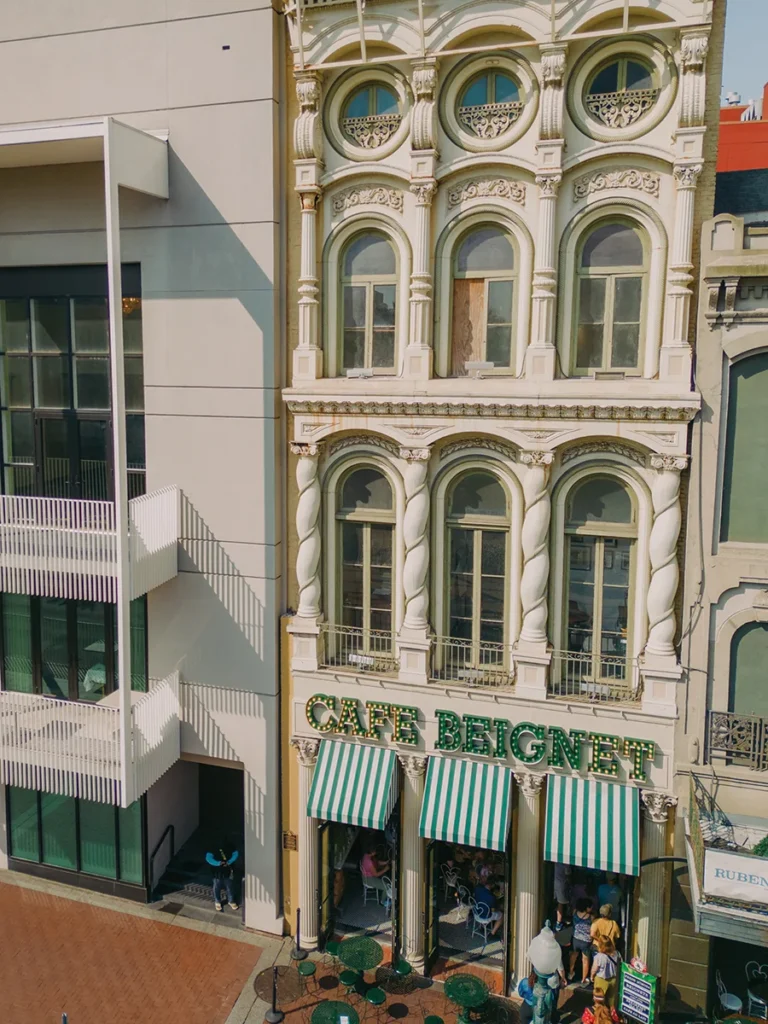
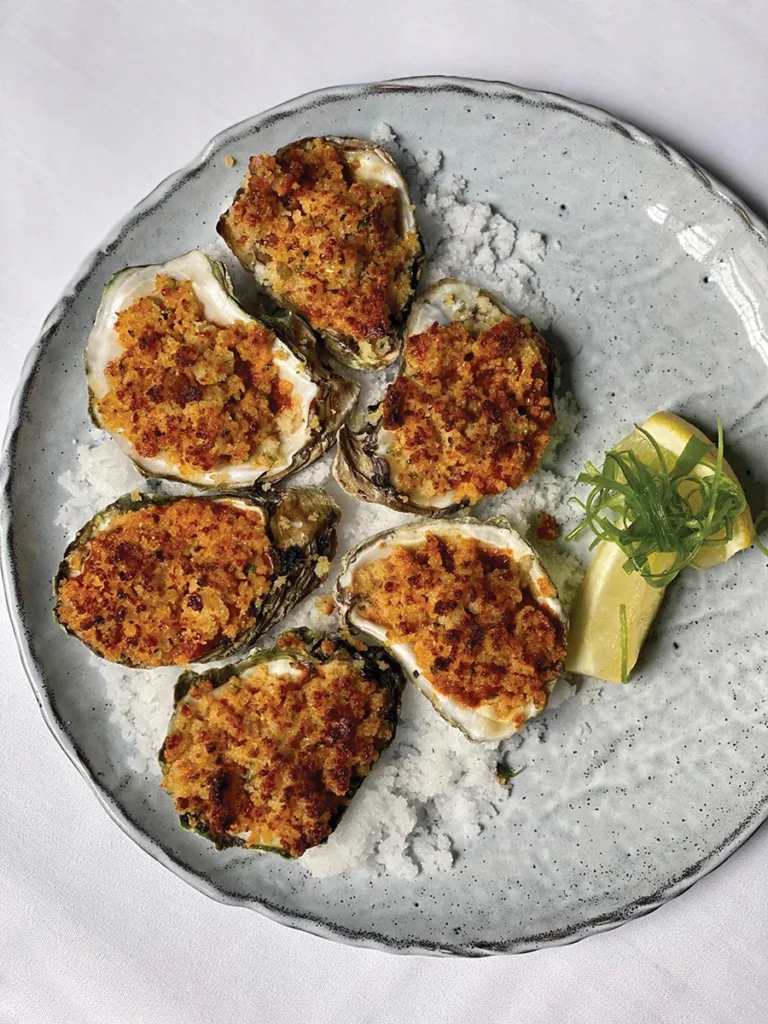
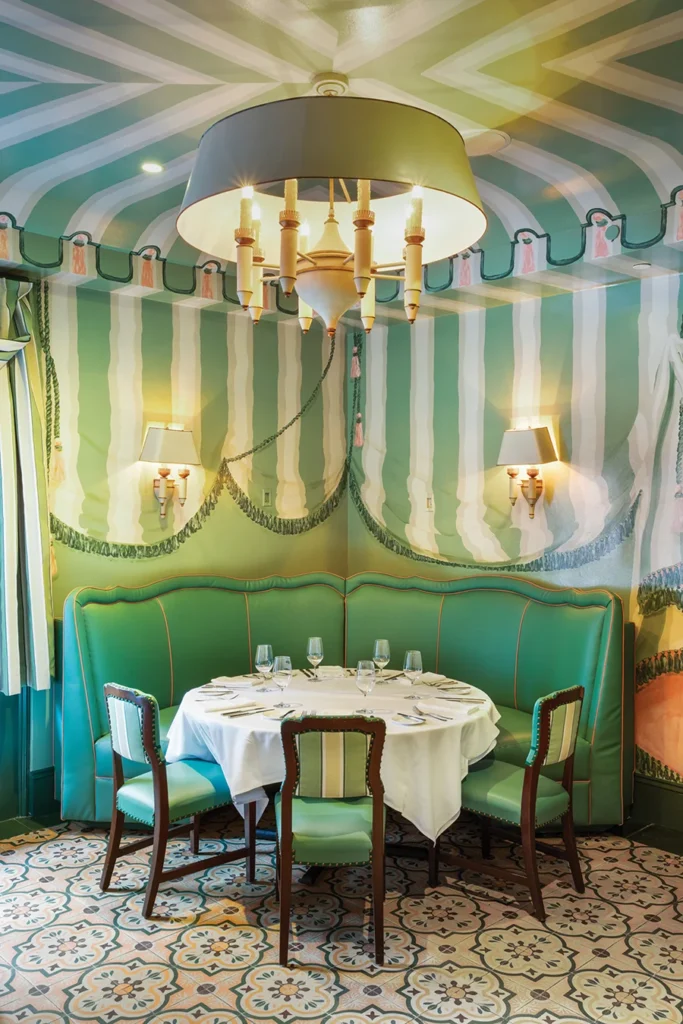
Left: Café Beignet. Photograph courtesy New Orleans and Co. Middle–Right: Oysters J’aime and The Royal Room at Brennan’s. Photographs by Eugenia Uhl, courtesy Ralph Brennan Restaurant Group.
The Windsor Court’s Polo Club is a lively spot for pre-dinner cocktails, and its Grill Room restaurant is quiet and romantic. But the hotel’s afternoon tea — served from 11 a.m.-2 p.m. Friday-Sunday — is a leisurely, elegant affair. Choose from more than three dozen selections from Rare Tea Cellar or New Orleans Tea Co. The service includes cocktails too, from a Royal Tea Bourbon Milk Punch to the Court Blossom Sangria with notes of rose, elderflower, peach and citrus. Tea is served in three courses, beginning with savory English tea sandwiches, followed by homemade scones and miniature cakes, tartlets and chocolate-covered strawberries.
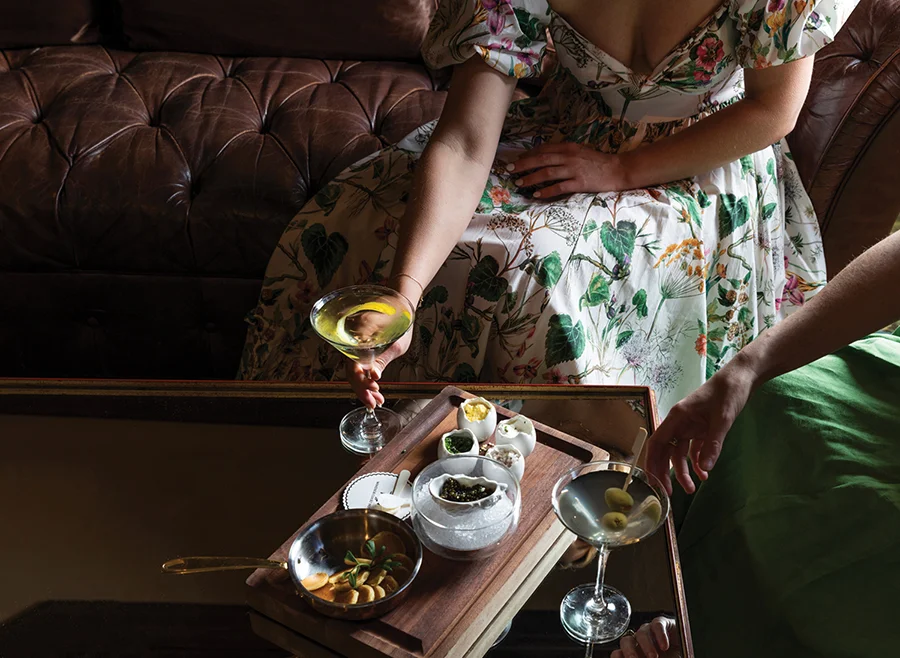

The Windsor Court hotel in downtown New Orleans. Photographs courtesy Windsor Court NOLA.
In the Warehouse Arts District, Pêche is a lively and unpretentious eatery with exposed brick and open-hearth cooking. The seafood-focused menu ranges from the nostalgic beer-battered fish sticks to a rich gumbo made with a hearty roux. There’s a raw bar with gulf shrimp and oysters. Flavor combinations might seem unusual at first — a classic Creole or Cajun dish with Asian elements like miso, sambal or kimchi — but here, they just work.
On a lively corner in the Garden District, La Petite Grocery serves lunch, dinner and Sunday brunch in a Creole-style cottage that once housed a local market. The Blue Crab Beignets, served with malt vinegar aioli, are a must-order. Even familiar dishes like Gulf Shrimp and Grits are elevated to a new level here, with roasted shiitakes, smoked bacon and thyme. Chef/owner Justin Devillier was a 2016 James Beard Award winner for Best Chef: South. SP
Featured image: Jackson Square, a 2.5-acre park in the French Quarter. Photograph courtesy New Orleans and Co.