


From family compounds to fractional shares, interest in luxury second homes in the Carolinas is strong.
by Cathy Martin
Buried among the political headlines of the day, a recent Axios article declared, “No one’s buying vacation homes.”
Clearly, the author didn’t consider the Carolinas.
The clickbait headline was based on a May 2025 Redfin report citing a six-year low in U.S. loan originations for second homes in 2024. The report notes high prices and stubborn mortgage rates as contributing factors, along with a return-to-office trend curbing remote work from vacation locales.
But the article didn’t expose the full story. A closer look at the numbers shows that in the Charlotte metro area, year-over-year second-home mortgage originations jumped 13.4%. Gen Xers and high earners — those with a median household income of $280K — are still buying vacation homes, albeit at lower rates than before. And second-home buying actually increased among baby boomers.
If you’ve got the cash for your dream mountain or beach home, read on to learn about some of the latest offerings. If you’re not sure you’re ready, we’ll also explore how to dip your toes in without a seven-figure commitment.
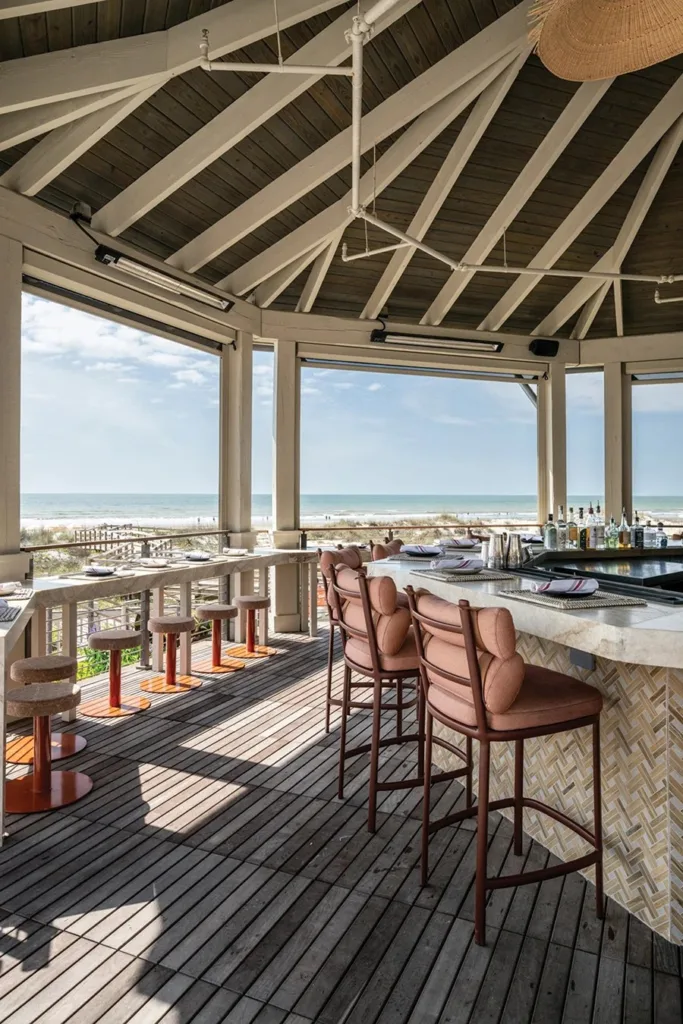
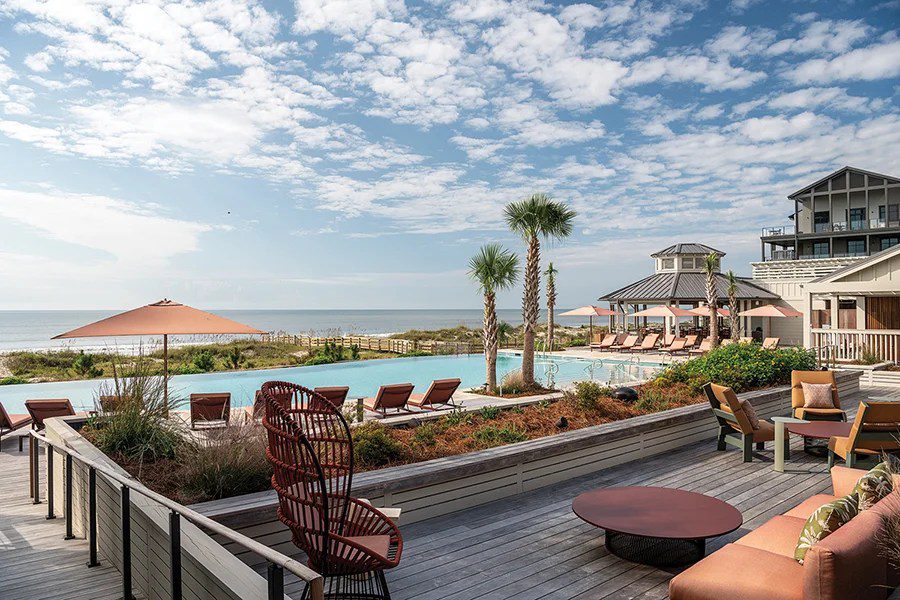
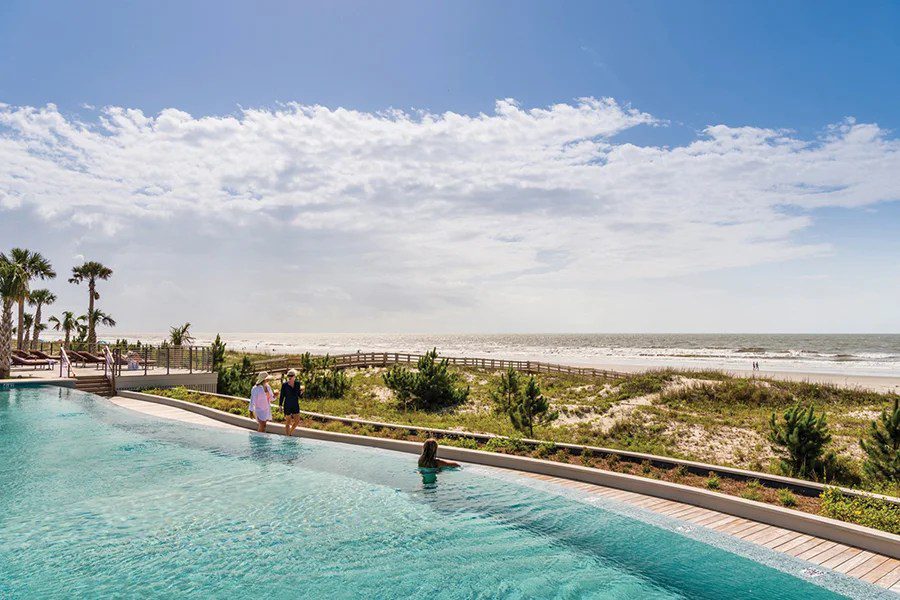
The Cape Club is a new beachfront amenity at Kiawah, boasting an infinity pool with cabanas and a sun deck, a fitness center, and a Latin-inspired café. Photographs courtesy Kiawah Island Real Estate.
BEACH OR MOUNTAINS?
For Charlotteans, few vacation destinations are more popular than Kiawah, a barrier island just south of Charleston, South Carolina. The Charlotte metro area is the top market for real-estate closings at Kiawah, followed closely by Washington, D.C., and New York, according to Dan Whalen, president of Kiawah Island Real Estate. Thanks to Kiawah’s popularity as a second-home destination, its ranks of full-time residents is growing.
“So many of them start out as a second home, and then it turns into a primary residence,” says Whalen.
Whalen’s firm focuses exclusively on Kiawah Island, where sales topped a record $1 billion in 2024. The firm and the private Kiawah Island Club are owned by South Street Partners, whose other properties include Palmetto Bluff in Bluffton, South Carolina, and The Cliffs communities in the western Carolinas.
At Kiawah, the median price for a single-family home last year was close to $3 million, but smaller, older condos start in the mid-$400s, according to Whalen.
Kiawah, which debuted in 1976, is almost fully developed. The newest project, Ocean Pines, boasts a sleek, modern aesthetic nestled among the trees and close proximity to the oceanfront Cape Club. The new beach club — part of Kiawah Island Club — opened in April with an infinity pool, fitness center and a Latin-inspired bar and grill.
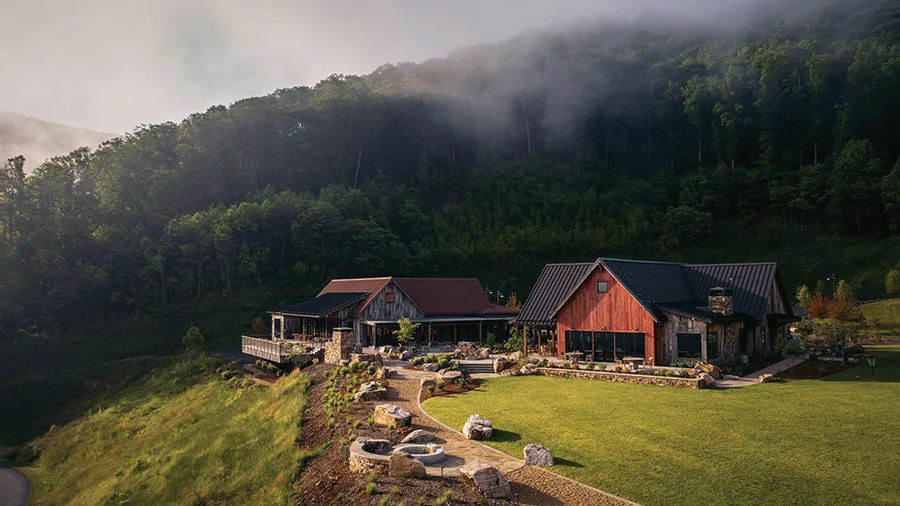
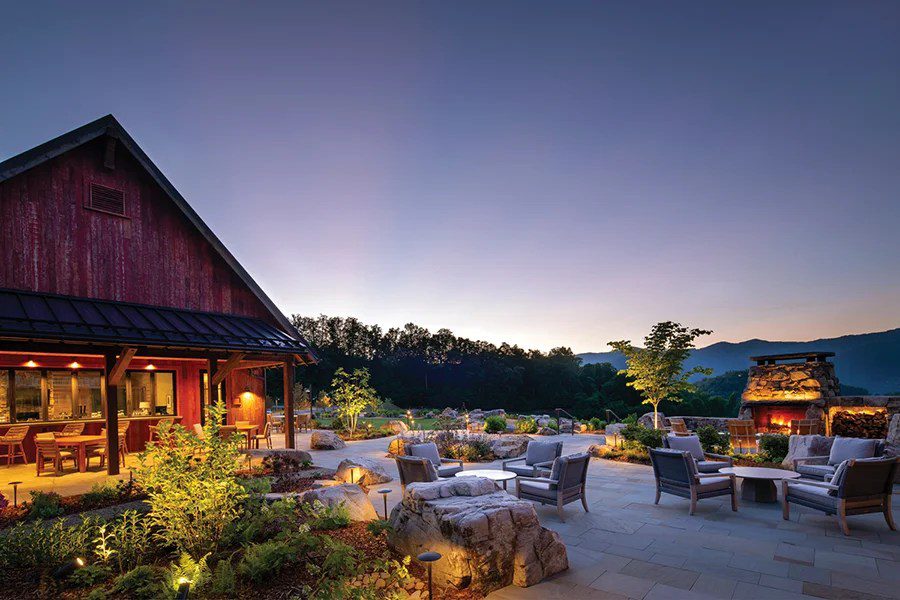

Top photo & bottom left: The Summit House and Mine Tavern, dining venues at Balsam Mountain Preserve near Sylva.
Right: An owl at Balsam. The community has a nature center that develops programming and cares for injured animals.
Photographs courtesy Balsam Mountain Preserve.
Demand has been strong: Ten of the first 30 luxury condominiums, which start at $2.4 million, sold within two weeks. When completed, Ocean Pines will comprise 69 residences, some with views of the Kiawah River and just a block from the ocean. Ocean Pines residents also are guaranteed the ability to join Kiawah Island Club, known for its esteemed River Course and Cassique golf course.
In Jackson County, about 40 miles from Asheville, Balsam Mountain Preserve attracts second-home buyers with an Arnold Palmer-designed golf course, equestrian center, 42 miles of trails and seasonal amenities like a summer artist in residence.
The 4,400-acre site was developed in the early 2000s by Chaffin/Light, the team behind an early expansion of Snowmass Village in Aspen, Colorado, and the Spring Island community near Bluffton. David Southworth bought the development in 2023.
“The biggest strength of our community is that low-density concept, and the fact that most people don’t see their neighbors,” says Sean McLaughlin, director of sales. “You might live on 2 acres, but it might feel like 50 acres.” A conservation easement only allows for 354 homes at Balsam, where about 150 homes are complete or under construction. After a spike in home values during the pandemic and another jump over the last three years, homes in the community sell for about $3 million, on average.
“What [owner-developer David Southworth] brought was stability,” McLaughlin says, giving lot owners the confidence to build — and spend more on — their homes.
FROM PUTTING GREENS TO PORCHES WITH VIEWS
Andrew Roby’s Boone office is flourishing with second-home projects, according to Sara Stryhas, director of marketing. The 75-year-old Charlotte homebuilder opened the Boone location in 2012 specifically to build vacation homes for their Charlotte clients. An Asheville office followed in 2022.
“Asheville and Boone have very distinct styles,” Stryhas says. While Asheville homeowners generally seek more modern, open architecture, Roby’s Boone clients still lean toward a rustic, ski-lodge aesthetic.
Many of Roby’s western N.C. clients request spacious areas for entertaining, along with amenities like putting greens, saunas, theaters and wraparound porches to take in the mountain views.
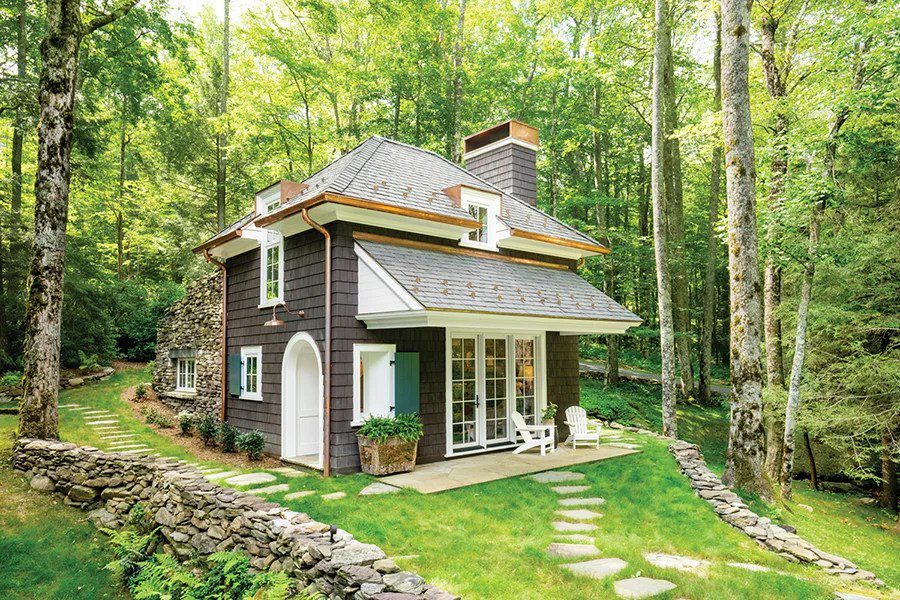
Left: A vacation home built by Andrew Roby with architect Pursley Dixon. Photograph by Burton Photography.
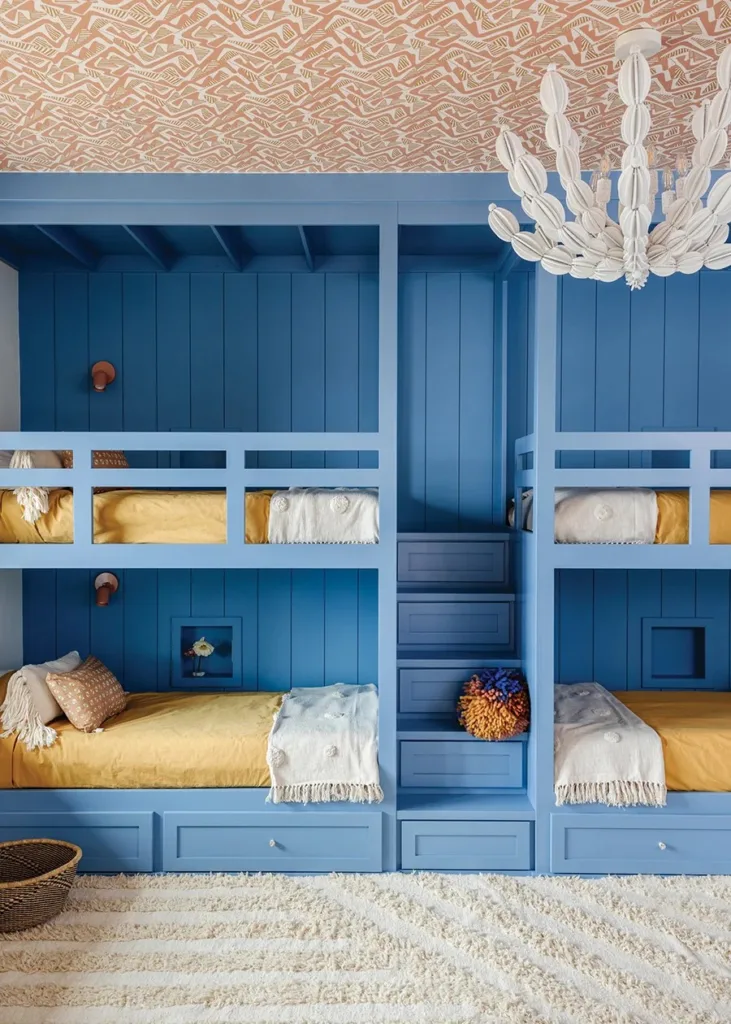
Right: The bunk-room trend remains strong, as clients want fun spaces for their kids and grandkids to pile in, says House of Nomad’s Kelley Lentini. This colorful bunk room was designed for a client at Lake Tillery. For beach or lake homes, other popular design features include solar shades to help with temperature control when the home isn’t occupied, and durable fabrics that stand up to water, Lentini says. “When designing for our clients’ second homes, we always keep in mind that they are there to relax and unwind — not chase people around with towels to sit on and coasters.” Photograph by Laura Sumrak, courtesy House of Nomad.
At Balsam, one homeowner, Ken Bowden, even built an observatory for stargazing on the roof of his home. In April, Bill Nye the Science Guy paid a visit to Bowden’s Dogstar Observatory.
“We are getting lots of requests for steam and sauna features in the bathrooms, or at the very least a tub with a view,” says interior designer Kelley Lentini, co-founder of House of Nomad. The Charlotte-based design firm works with clients across the Carolinas. “For our Kiawah projects and for our lake projects, we positioned the tubs exactly where we wanted from a view standpoint and then built the bathroom around that, keeping the view as the focal point.”
Bunk rooms for kids remain popular, Lentini says, along with vibrant and funky wallpaper.
“A vacation home is a perfect place, in our opinion, to take risks and really make a statement when you can. It is not something you will see every day, so going bold in a powder room or dining room whether in a paint or wallpaper choice is always a good idea in our book.”
BACK TO NATURE
Getting back to nature is a common theme among vacation-home buyers looking for a place to escape the bustle of the city.
Balsam’s McLaughlin estimates the outdoors aspect is an even bigger draw than the community’s celebrated golf course and tennis facilities. Balsam has a nature center and employs naturalists to conduct research on the mountain, develop programs for members and host classes for local schools.
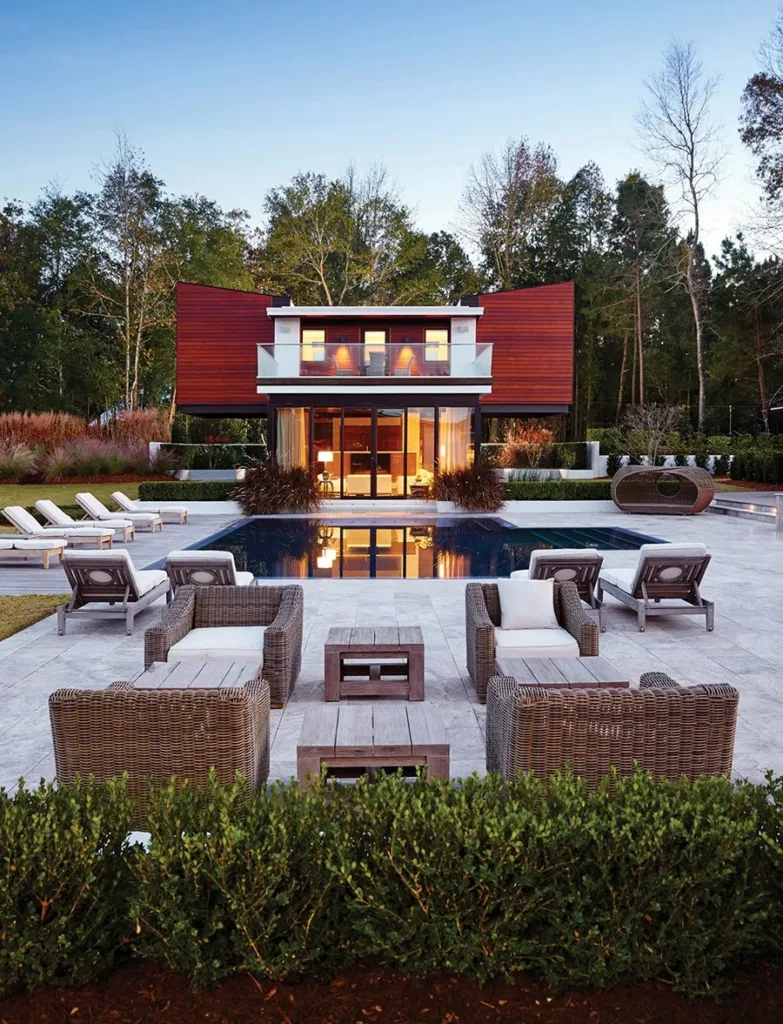
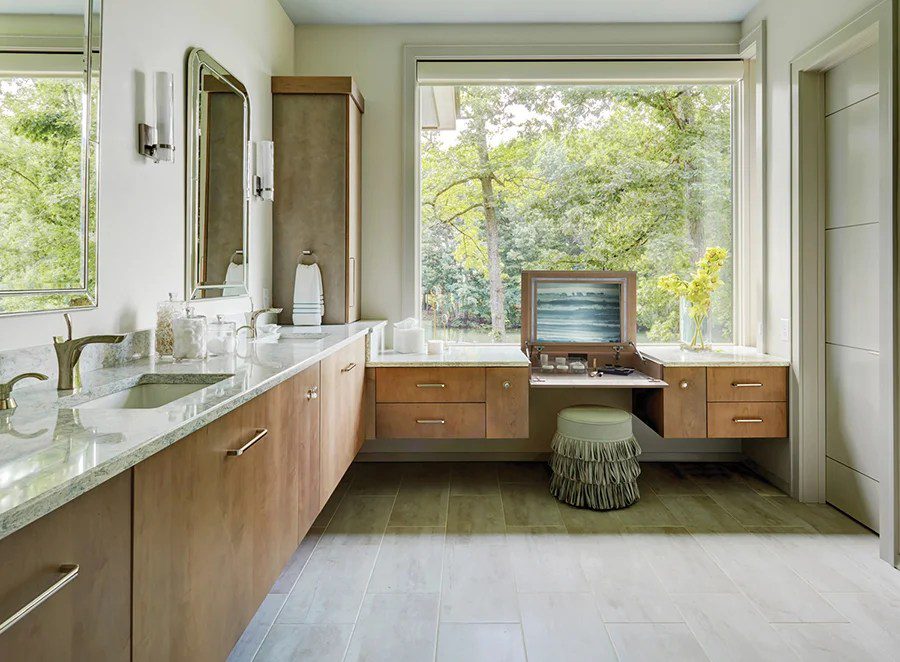
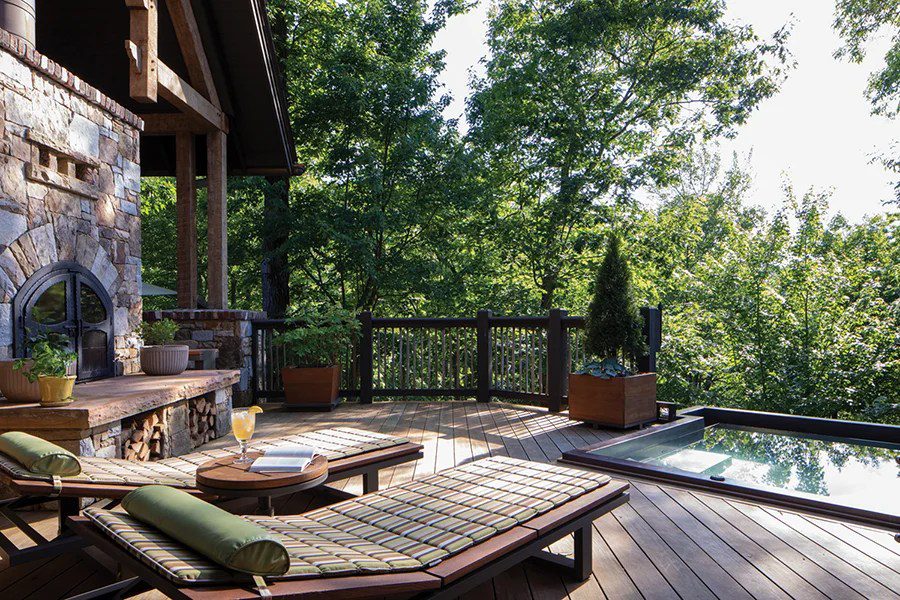
Expansive porches and picture windows for enjoying views are popular vacation-home features, along with saunas and spa-like bathrooms. Homebuilder Andrew Roby also sees requests for large gathering spaces. Clockwise from left: A contemporary second home by Andrew Roby with Kersting Architecture; a spa-like bathroom by Andrew Roby with architect Schrader Design and interior designer Starr Miller; a vacation home at Balsam Mountain Preserve. Photographs courtesy Michael Blevins Photography, Michael Alan Kaskel, Balsam Mountain Preserve
“We look after animals that have been hurt in the wild,” McLaughlin adds. “We always have ambassador animals on property.”
At Kiawah and other South Street properties, “Designing with Nature” is a mantra.
“From the inception of Kiawah in the ’70s, that has always been at the forefront of design,” Whalen says.“We make sure that we are paying close attention to the lot itself. What trees are on the homesite? Where does the natural grade take you, so that you’re disturbing as little [of the island habitat] as possible?” That more deliberate process can be painstakingly slow, but visitors and property owners appreciate the emphasis on preserving the island’s natural beauty.
JUST A SMALL PIECE, PLEASE
For potential first-time second-home buyers, dropping seven figures in an unfamiliar community can seem daunting. Fractional ownership is a way to “dip your toes in the water,” McLaughlin says.
Clients purchase deeded real-estate interests that can be resold at any time. Fractional ownership differs from the maligned timeshare model in that the number of people sharing the home is smaller, and owners retain equity, thus benefiting as the property appreciates.
“Most homeowners come in for two weeks in the summer, a few weeks in fall to watch the leaves change,” McLaughlin says. “Fractional allows you to do that but you’re only paying for the amount that you’re actually using it.” Balsam offers two options for fractional ownership — smaller Boarding House cabins that are rustic-on-the-outside with modern amenities inside, and larger four-bedroom cottages at Doubletop Village.
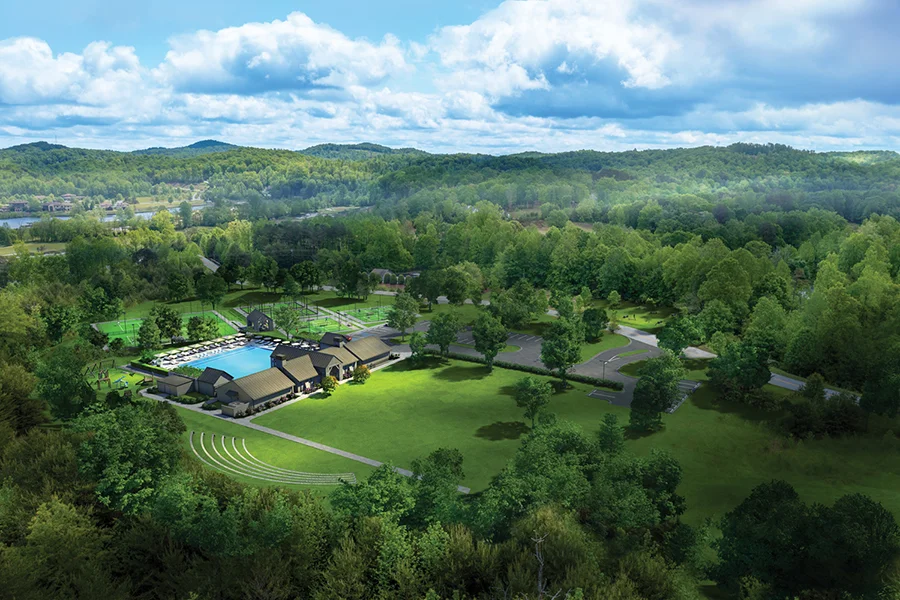
The Cliffs at Mountain Park, located just over two hours from Charlotte in Marietta, South Carolina, will debut a new sports pavilion this summer, with tennis, pickleball and padel courts, plus a pool and 1-acre dog park. Photographs courtesy The Cliffs at Mountain Park.
Many of those fractional owners eventually “size up” into owning their own homes, McLaughlin says. “It gives people a stepping stone that says, let’s start with this and see how we like it.”
In 2018, Timbers Resorts opened a fractional-ownership development at Kiawah. The 21 condominiums — sold in 1/9 or 1/6 shares, depending on the unit — sold out by late 2021.
“That is a very interesting way for people to initially buy on Kiawah and start getting acclimated to the island and its amenities and its lifestyles,” Whalen says, noting that he’s seen several Timbers residents transition into whole ownership.
Pacaso, co-founded by former Zillow executives Austin Allison and Spencer Rascoff, buys homes in resort communities through the traditional real-estate market then resells them in fractional shares. The San Francisco-based company owns a half-dozen homes on Kiawah Island. In early June, one-eighth shares of Pacaso’s Kiawah properties ranged from $927,000 for a sprawling 5,000-square-foot home a block from the beach to $412,000 for a five-bedroom home located farther inland.
WHAT TO CONSIDER BEFORE YOU BUY
What should be top of mind when searching for a second home?
“Proximity — how easily and how quickly can you get to that second-home destination,” offers Whalen. “Nobody wants to have a second home that’s just a pain in the neck to get to and you spend all day trying to get there.”
When considering communities, Whalen also suggests studying property values and how they’ve fared through the years.
“You want to make sure you’re buying in an area that you know will continue to thrive for years to come. … What’s going to generate interest and traffic to that second-home community 10, 15, 20 years from now?” At Kiawah, for example, The Sanctuary Hotel brings a steady stream of well-heeled guests who may eventually become property owners.
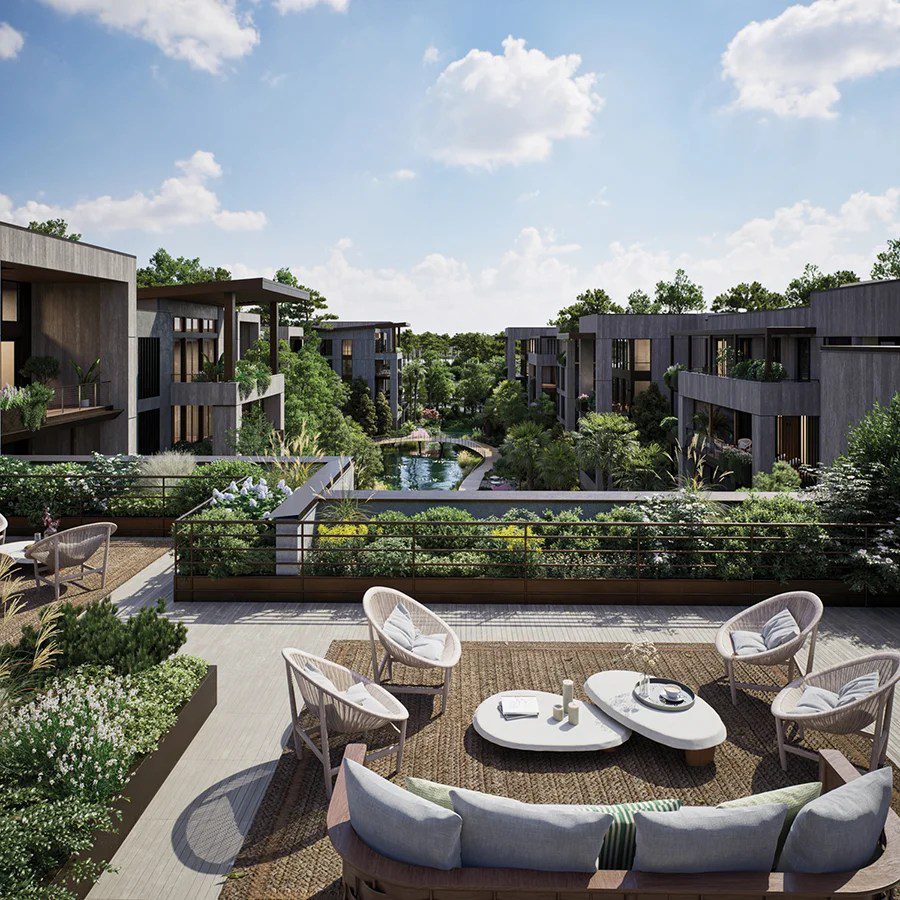
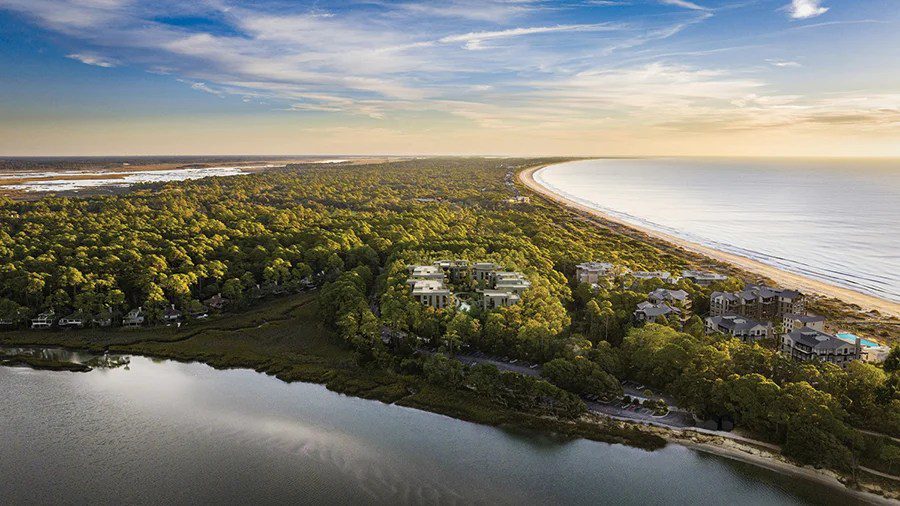
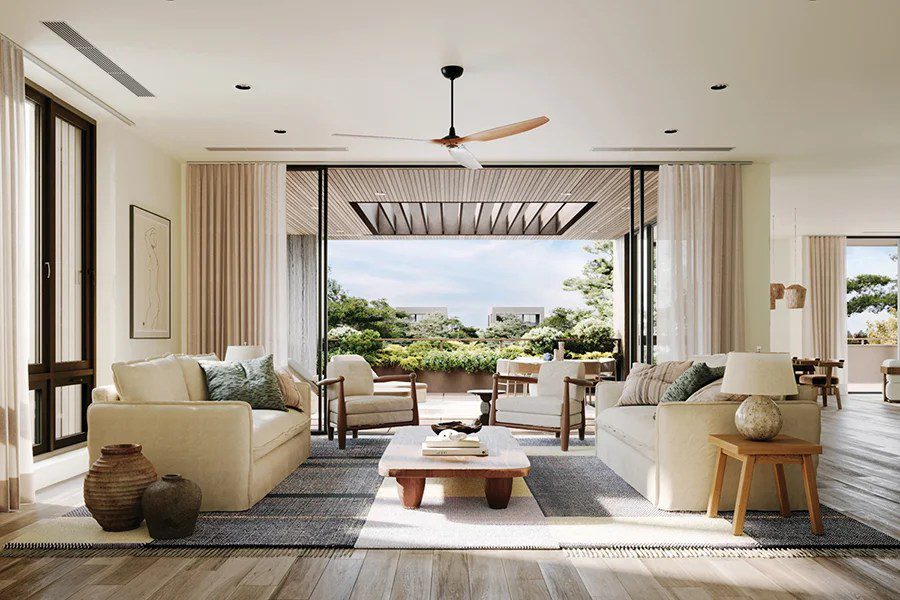
Ocean Pines is a new luxury-villa offering at Kiawah that’s close to the beachfront Cape Club. The 69 units will be nestled among the trees with an interior lagoon. Photographs courtesy Kiawah Island Real Estate.
Finally, Whalen says, think about how you are going to use the home. Will it be an occasional escape that you rent out most of the year, or are you looking for a multigenerational family retreat?
“We talk about people’s grandchildren’s grandchildren will be coming to this place, because [Kiawah is] that type of property.”
It’s also important to find the culture that’s right for you, Balsam’s McLaughlin says.
“Balsam is a really unique place — you either absolutely love it or it’s just not a fit for you,” he says, citing the rugged mountain roads, dog-friendliness and overall unstuffy atmosphere.
“Our culture is such a laidback culture. Nobody here is sizing each other up in terms of how much money they’ve made. We’ve got billionaires up on this mountain, and we’ve got people who are scratching and clawing to make it work.” SP